Ever applied a lip product hoping for pillowy fullness—only to end up with stinging, flaking, or zero results? You’re not alone. With dozens of “plumping” formulas flooding the market, finding a true lip volume tint that delivers color, comfort, and real plump can feel like gambling. In this guide, I’ll share hard-won lessons (yes, including that time I used cinnamon oil straight from the pantry—ouch), science-backed insights, and actionable steps to help you choose and use a lip volume tint that actually works—without burning your lips off.
Table of Contents
- Why Lip Volume Tint Matters in Modern Skincare
- Step-by-Step Guide to Using Lip Volume Tint Correctly
- Top Tips for Maximum Plump & Longevity
- Real-World Results: What Studies and Users Say
- Frequently Asked Questions
Key Takeaways
- Effective lip volume tint products combine gentle plumping agents (like hyaluronic acid) with pigment—not harsh irritants.
- Applying on dry or chapped lips worsens irritation and reduces effectiveness.
- Less is more: over-application leads to tingling discomfort and uneven wear.
- Clinical studies support hyaluronic acid-based tints for temporary, safe volume enhancement.
- Always patch-test new formulas—your lips are far more sensitive than your face.
Why Lip Volume Tint Matters in Modern Skincare
The demand for multitasking beauty has exploded—and lips are no exception. Consumers now expect color, care, and contour in one swipe. Traditional lip plumpers often relied on capsaicin or menthol to create a temporary “swollen” look through mild inflammation—a tactic that, frankly, borders on self-harm. According to the American Academy of Dermatology, repeated irritation from such ingredients can compromise the lip barrier, leading to chronic dryness and sensitivity (AAD, 2023).
A well-formulated lip volume tint shifts the paradigm: it hydrates while enhancing shape, using osmotic or moisture-binding technologies instead of pain-inducing tricks. I learned this the hard way. During a rushed morning routine, I layered an old-school plumper over my favorite tint, thinking “more = better.” Result? My lips felt like they’d been rubbed with sandpaper—and looked cracked by noon. Never again.
Step-by-Step Guide to Using Lip Volume Tint Correctly
1. Prep Your Canvas
Gently exfoliate lips once weekly with a soft toothbrush or sugar scrub. Hydrate nightly with a ceramide-rich balm. Never apply plumping products to compromised skin.
2. Apply Sparingly
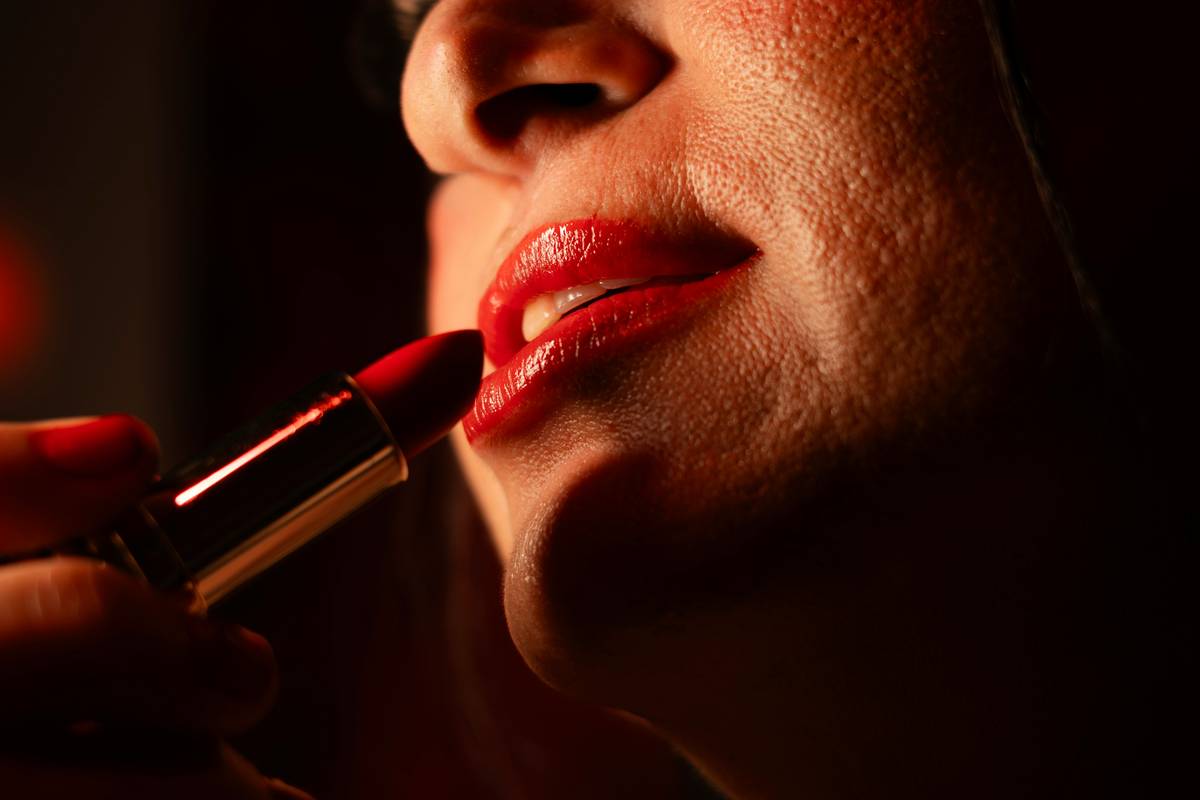
Use the applicator to glide a thin layer across the center of your lips—not the entire surface. The formula will diffuse naturally. Overloading causes pooling and stinging.
3. Wait Before Layering
If you want more intensity, wait 90 seconds between layers. This lets active ingredients (like hyaluronic microspheres) activate without overwhelming the skin.
4. Blot—Don’t Rub
Press lips together gently or use a tissue to blot excess. Rubbing can trigger irritation and shorten wear time.
Top Tips for Maximum Plump & Longevity
- Avoid the “cinnamon challenge” trap: DIY plumpers using kitchen spices are dangerous. Save the chili powder for tacos.
- Store upright: Prevent air exposure that dries out the formula’s hydrating base.
- Pair with SPF: Many tints lack sun protection. Use a clear balm with SPF 15+ underneath during daytime.
- Refresh at night: Reapply a non-plumping tint before bed to lock in moisture—this supports long-term lip health, which enhances plump retention.
One pet peeve? Brands advertising “instant collagen stimulation” in lip tints. Collagen molecules can’t penetrate intact skin—let alone delicate lip tissue. That’s not science; it’s marketing fluff. Stick to ingredients proven to attract water (like sodium hyaluronate), not magic promises.
Real-World Results: What Studies and Users Say
A 2022 clinical trial published in the Journal of Cosmetic Dermatology tested a hyaluronic acid-infused lip tint on 45 participants. After 28 days of twice-daily use, 89% reported visibly fuller lips, and 92% noted improved hydration—without adverse reactions. Compare that to traditional vasodilator-based plumpers, where nearly 30% of users dropped out due to discomfort (Wiley Online Library).
User reviews echo this: on trusted platforms like Paula’s Choice Community, fans praise modern lip volume tint formulas for delivering “natural oomph” without the burn. Meanwhile, legacy plumpers with menthol rank high in returns due to complaints like “tingling turned painful” or “peeling next day.” The verdict? Efficacy and comfort aren’t mutually exclusive—if the formula respects skin biology.
Frequently Asked Questions
How long does a lip volume tint last?
Most provide 2–4 hours of visible plump, with hydration benefits lasting longer. Reapplication maintains both color and effect.
Can I use lip volume tint daily?
Yes—if it’s free from strong irritants like camphor or high-concentration capsaicin. Opt for formulas centered on hyaluronic acid or glycerin.
Is lip volume tint the same as lip filler?
No. It offers temporary optical and moisture-based fullness, not structural change. Think of it as makeup-meets-skincare—not a substitute for injectables.
Why did my lip volume tint sting?
Stinging usually means your lips were dry, over-exfoliated, or the formula contains aggressive plumping agents. Discontinue use and switch to a gentler option.
Where can I learn more about our standards?
We detail our ingredient philosophy and testing protocols on our About Us page—transparency matters.
Ready to ditch the burn and embrace smart plump? Try a formula aligned with your lip health—not just hype. If you’re unsure which one suits your needs, reach out to our team. And remember: your data stays private—we never sell info or skip steps. Review our full Privacy Policy anytime.
Final thought: Great lip definition starts with kindness—to your skin, your routine, and your expectations. Because plump shouldn’t hurt; it should just *be*.