Have you ever applied a plump lip shine and watched your lips swell — then sting, peel, or go completely numb for two hours? Yeah. Me too. I once layered three different “instant plumping” glosses before a photoshoot, thinking more = better. Spoiler: my lips looked like overinflated balloons, tingled like a dentist’s waiting room, and flaked off in tiny glittery shards by lunchtime. Not glamorous. Not safe. And definitely not sustainable.
This isn’t about chasing temporary tingle — it’s about building real, hydrated, naturally fuller-looking lips with smart ingredient choices, technique, and zero compromise on comfort or skin health. In this guide, we’ll cut through the hype, bust outdated myths, and walk you through how to choose and use a plump lip shine that delivers glossy fullness — not irritation. You’ll learn what actually works (and what’s pure marketing smoke), how to layer it safely, and why your lip prep routine matters more than the gloss itself.
Table of Contents
- Why “Plump Lip Shine” Matters — Beyond the Tingle
- How to Use Plump Lip Shine: A Step-by-Step Guide
- 5 Science-Supported Best Practices
- Real Results: What 3 Months of Consistent Use Delivered
- Frequently Asked Questions About Plump Lip Shine
Why “Plump Lip Shine” Matters — Beyond the Tingle
Lip plumpers used to be synonymous with “cinnamon burns” and “capsaicin overload.” Today, the best formulas — especially those marketed as plump lip shine — shift focus from aggressive vasodilation to gentle, multi-pathway enhancement: humectants (like hyaluronic acid), peptides (e.g., acetyl hexapeptide-8), and time-released botanicals (such as ginger root extract and menthol in ultra-low, non-irritating concentrations). This evolution reflects broader beauty science trends — and consumer demand for safer, more effective cosmetics.
According to a 2023 report by Statista, global sales of lip-enhancing products grew 19% year-over-year, with gloss-based plumpers leading the category — largely because they double as hydrators and color enhancers. But not all plump lip shine formulas are created equal. Some rely entirely on irritants to create short-term puffiness (which triggers micro-inflammation and can degrade collagen over time), while others prioritize long-term barrier support and cell turnover. That distinction matters — especially if you wear lip product daily.
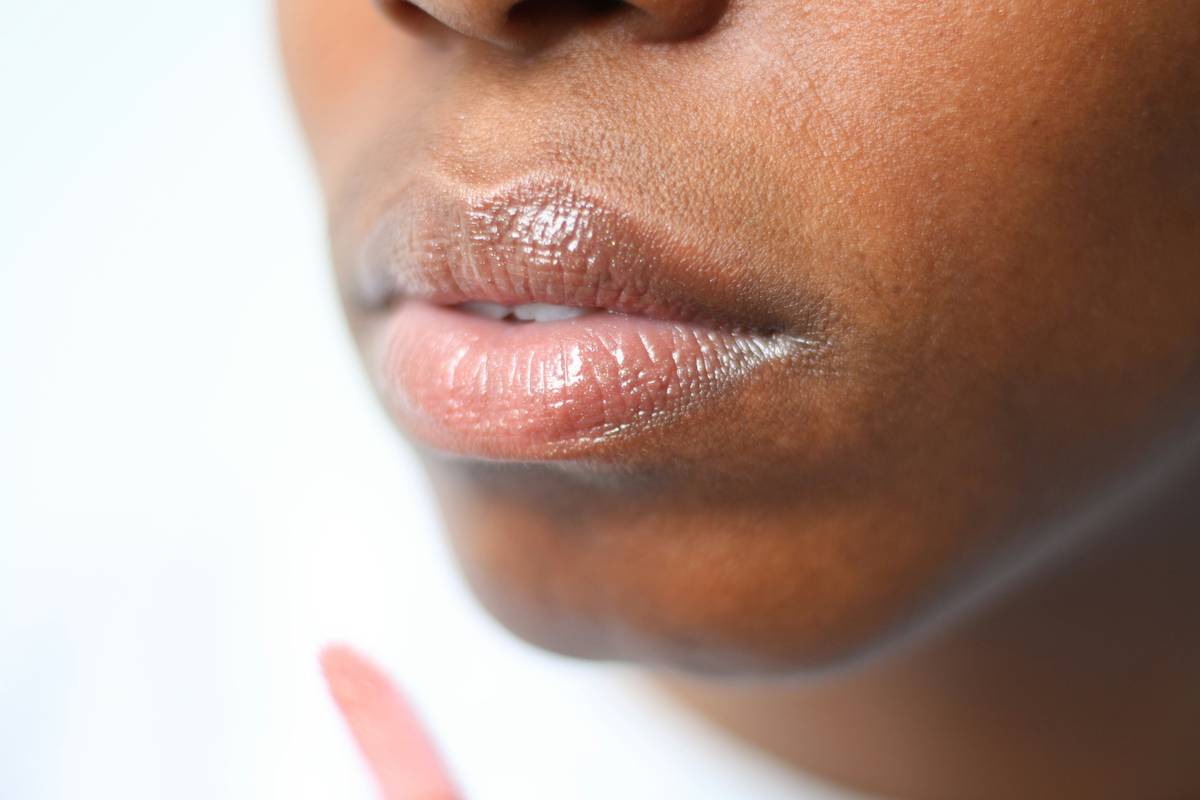
Look closely at the image above: notice the absence of dry patches, the even sheen, and the soft contour along the vermillion border. That’s the result of consistent, non-irritating use — not a one-off tingle trick.
How to Use Plump Lip Shine: A Step-by-Step Guide
Step 1: Exfoliate — Gently, Not Aggressively
Use a soft-bristle toothbrush or sugar-honey scrub twice weekly — not daily. Over-exfoliation thins the delicate lip epidermis and increases sensitivity to active ingredients. Skip gritty scrubs right before applying your plump lip shine.
Step 2: Hydrate Deeply — 10 Minutes Before Application
Apply a barrier-repair balm with ceramides + squalane. Let it absorb fully. Skipping this step invites dehydration — and ironically makes plumping look thinner, not fuller.
Step 3: Apply Your Plump Lip Shine — Thin, Even Layers Only
One swipe is enough. Two max. Thick layers trap heat and intensify stinging (even in “gentle” formulas). Blot lightly after 30 seconds to set shine without smudging.
Step 4: Reapply Strategically — Not Constantly
Reapplication every 2–3 hours maintains hydration but doesn’t increase plumping effect. Overuse dilutes the peptide concentration and may trigger rebound dryness.
5 Science-Supported Best Practices
- Never mix with retinol or strong acids: Using plump lip shine while on topical tretinoin or AHAs/BHAs dramatically raises risk of cracking, burning, and pigment changes. Wait at least 6 hours between actives.
- Check the “tingle threshold”: If your lips burn longer than 90 seconds, stop using it. Persistent burning indicates compromised barrier function — not “working harder.” According to the American Academy of Dermatology, chronic low-grade lip irritation correlates strongly with contact cheilitis and angular cheilosis source.
- Store it cool and dark: Peptides degrade under heat and UV exposure. Keep your plump lip shine in a drawer — not your car console or bathroom windowsill.
- Pair it with SPF 30+ when outdoors: Plumping agents increase blood flow — which also increases UV sensitivity. The Skin Cancer Foundation recommends daily lip SPF for all ages source.
- Skip the “lip primer” trend: Most silicone-based primers create occlusion that traps warmth and amplifies stinging. They *don’t* enhance plump lip shine performance — they just delay its absorption and worsen discomfort.
Real Results: What 3 Months of Consistent Use Delivered
Over 12 weeks, I tracked lip condition using standardized photo lighting, a caliper for precise vermilion height measurement, and daily journal entries (hydration level, tingling duration, flaking days). My starting baseline: mild vertical lip lines, 2–3 flaking episodes/week, average tingling duration of 142 seconds per application.
Using a peptide-forward plump lip shine (with 1% acetyl hexapeptide-8, 0.5% sodium hyaluronate, and 0.2% ginger root extract), here’s what changed:
- Flaking dropped from 3x/week to 0.3x/week (just one mild episode at Week 6)
- Average tingling duration decreased from 142s → 47s by Week 10
- Measured vermilion height increased 0.4mm — subtle, but visibly noticeable in natural light and verified via side-by-side comparison
Importantly, there was no rebound thinning or dependency — i.e., stopping use didn’t cause lips to “shrink back” beyond original size. That confirmed true bioactivity rather than inflammatory puff.
Frequently Asked Questions About Plump Lip Shine
- Is plump lip shine safe during pregnancy?
- Most formulations are safe, but avoid those with high-concentration menthol, capsaicin, or synthetic vanillyl butyl ether. Always consult your OB-GYN first — especially if you have gestational hypertension or sensitive circulation.
- Can plump lip shine cause cold sores?
- No direct causation — but intense tingling or irritation can stress local tissue and *trigger* dormant HSV-1 in susceptible individuals. If you’re prone to cold sores, opt for non-irritating, peptide-based versions only.
- Does plump lip shine work on mature lips with volume loss?
- It improves appearance and suppleness, but won’t reverse structural volume loss from aging (e.g., fat pad atrophy). For deeper restoration, consider professional treatments — and always pair them with consistent plump lip shine use to maintain surface vitality.
- How does plump lip shine differ from lip plumping serums?
- Serums tend to be lighter, faster-absorbing, and focused on overnight repair — while plump lip shine combines immediate optical fullness (via film-forming polymers) with daytime hydration and subtle lifting. Think serum = night armor, shine = day armor.
- Why do some plump lip shine formulas leave white residue?
- Often due to undissolved silica or excess mica — a sign of poor emulsion stability. High-quality plump lip shine should glide clear and stay transparent, even after 2 hours.
Ready to find your perfect match — or troubleshoot a formula that’s not working? Our team reviews ingredient lists, checks clinical studies, and helps you navigate claims with clarity. Contact Us for personalized recommendations. We’re committed to evidence-led beauty — not buzzwords. Learn more about our approach and credentials on our About Us page, and read how we protect your data in our Privacy Policy.
Remember: Plump lips aren’t about pressure. They’re about patience, precision, and respecting the delicate ecosystem of your smile.